Skip to content
Cosmetic Peat
Association

By Cosmetic Peat Editorial Team Updated September 2026

← All applications

Peat Face Masks

Therapies
Also known as: peat face mask, peat mask, mud mask, Moormaske
Peat Peat Face Masks — topical application
Method: topical
Duration: 10–20 minutes per application
Frequency: 1–3 times per week
Temperature: Room temperature or slightly warmed
Preparation: Processed peat paste or extract, often blended with carriers (oils, clays, water)

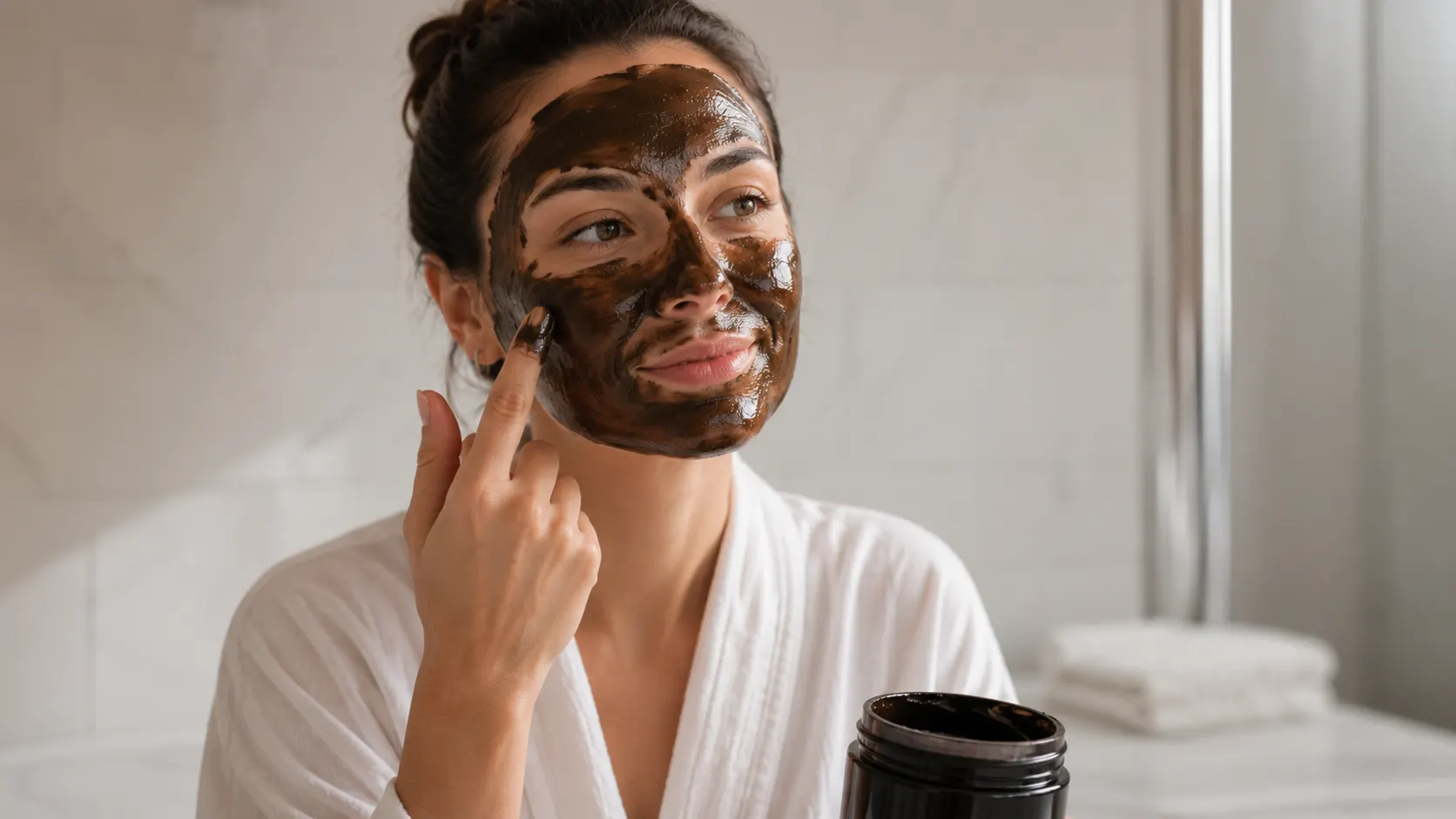
Peat face masks are topical cosmetic treatments where processed peat paste or extract is applied to facial skin for 10–20 minutes, then rinsed. They are the most accessible consumer-facing peat application and the primary product category for cosmetic peat brands.

Method

Peat is processed to a smooth, cosmetically acceptable paste, often blended with carrier ingredients (plant oils, water, clays, emulsifiers). Applied in a thin layer to clean facial skin, left to partially dry, then removed with warm water. Can be used as a standalone mask or as part of a multi-step skincare routine.

Multi-mechanism Action

A single peat face mask simultaneously delivers: deep cleansing (chelation binds surface impurities), gentle exfoliation (keratolytic action), pore tightening (astringent tannins), antioxidant protection (phenolics), moisturizing (polysaccharides and lipids), and anti-inflammatory calming. This multi-action profile is the primary appeal compared to single-active masks.

Product Development Considerations

Key challenges include color (peat can temporarily stain light skin), texture (must be smooth enough for facial application), and preservation (natural peat is microbiologically active and needs stabilization for shelf life). Nordic sphagnum peat is odourless — an advantage over Central European sulphurous spa peats — but formulators should verify odour neutrality batch-to-batch as processing can introduce volatile compounds.

Claims

Helps With Acne Vulgaris Preliminary
Helps With Psoriasis Preliminary
Helps With Dry Skin (Xerosis) Moderate
Helps With Eczema (Atopic Dermatitis) Moderate
Sources: yamada-2007 , wu-2023
Helps With Rosacea Preliminary
Sources: wollina-2009
Helps With Seborrheic Dermatitis Moderate

References

hinn-2026 — 10-day face mask trial: wrinkle reduction, smoother skin, improved elasticity
mourelle-2024 — Peat peloid clinical trial: improved skin hydration and elasticity
wollina-2009 — Review: peat humic substances have antibacterial activity against skin pathogens
ansorg-1978 — HA antimicrobial spectrum includes gram-positive bacteria relevant to acne
blonska-sikora-2024 — Review: peat anti-inflammatory and keratolytic properties relevant to psoriatic skin
yamada-2007 — CP-FA inhibits β-hexosaminidase and histamine release from mast/basophilic cells
wu-2023 — FA attenuates AD by downregulating CCL17/CCL22 via p38 MAPK and JNK in keratinocytes
pedrinazzi-2009 — Double-blind RCT, 82 patients (78 completed): significant reduction in severity score from day 7, improved sebometry/hydration through 1-month follow-up (p<0.05), no adverse effects
ubner-2013 — Review citing the same trial as corroborating secondary evidence

Brands Offering This