Research Gaps — What Science Still Needs to Answer
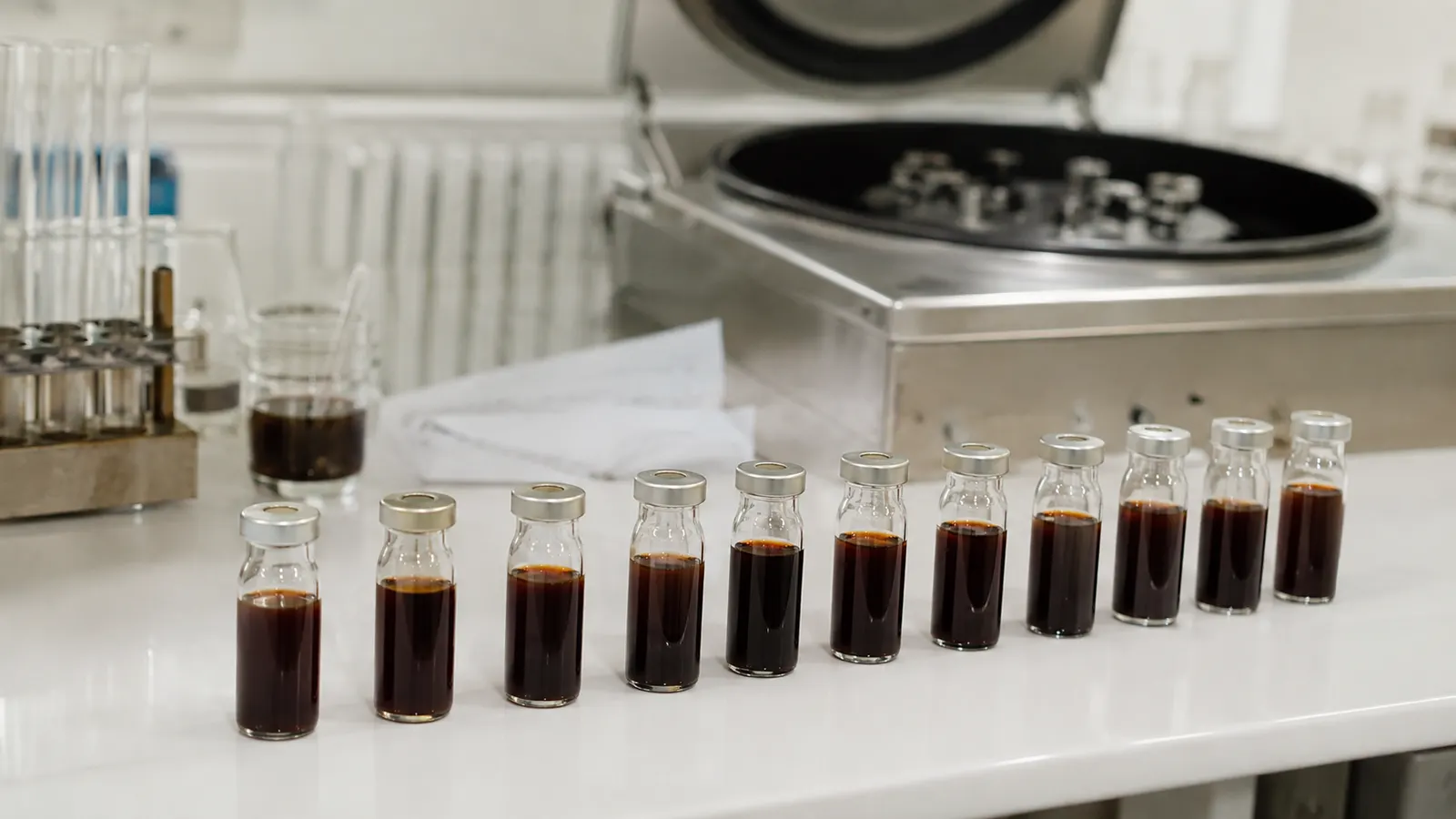
Despite growing evidence, cosmetic peat science has significant gaps. These represent opportunities for the Cosmetic Peat Institute and the broader research community.
High Priority
Fulvic acid and hair follicle biology
No study has tested peat-derived humic substances on human dermal papilla cells. Schmidt 2007 showed sphagnum peat WEHS can reprogram epidermal cell fate in plants (downregulating hair-fate suppressors, increasing hair density). Wu 2023 showed FA acts on p38 MAPK/JNK pathways in human keratinocytes — the same pathways involved in hair follicle cycling. An in vitro study testing FA/HA on dermal papilla cell proliferation and Wnt/β-catenin signaling would be straightforward and potentially high-impact.
RCTs for dermatological conditions
Most dermatological evidence is from cohort studies and clinical observations. No large, blinded, placebo-controlled RCTs exist for:
- Peat vs placebo for atopic dermatitis (SCORAD outcomes)
- Peat vs placebo for psoriasis (PASI outcomes)
- Peat shampoo vs conventional anti-dandruff shampoo
- Peat face mask vs inert clay mask for acne
These are achievable studies that would dramatically strengthen the evidence base.
Standardized analytical methods
Estonian “pure FA” (XAD-7 purification) and Finnish “general FA” (includes salts and low-MW fraction) can differ by 5–10× for the same sample. No international standard exists for measuring humic substance content in cosmetic peat. A harmonized method would enable meaningful cross-country composition comparisons and quality standards.
Medium Priority
Dose-response relationships
Wu 2023 showed dose-dependent FA effects at 200 and 500 μg/mL. But what concentrations are present in actual cosmetic products after application? What reaches the dermis? The pharmacokinetics of topically applied humic substances in human skin in vivo are unknown.
Long-term safety data
Szwed-Georgiou 2026 confirmed FA safety in vitro (low genotoxicity, high cytocompatibility). The Orru 2007 clinical trial had 4 dropouts from 23 (17%) — 1 skin sensitivity, 1 BP reaction, 1 malaise, 1 synovitis worsening. Larger safety studies with longer follow-up would strengthen the safety case, particularly for daily-use products.
Microbiome effects on skin
Szwed-Georgiou 2026 showed FA stimulates Lactobacillus and Bifidobacterium in gut models. What happens to the skin microbiome after repeated peat application? Given that dysbiosis is involved in acne, eczema, and seborrheic dermatitis, this could be a significant mechanism.
Composition data from non-Nordic countries
Germany, Czech Republic, Hungary, and Ireland lack published peat composition data in English. Analytical characterization of Central European and Irish cosmetic peat using modern methods would fill a major gap.
Lower Priority (But Interesting)
Anti-aging mechanisms
Peat’s antioxidant and collagen-stabilizing properties are frequently claimed but poorly quantified in human skin. Studies measuring skin elasticity, wrinkle depth, or collagen density before and after peat treatment courses would provide objective data.
Comparison with synthetic humic/fulvic acids
Lab-produced humic and fulvic acids are commercially available. Are they equivalent to peat-derived compounds? If not, what is the “peat advantage”? This matters both scientifically and commercially.
Thermal vs chemical contribution
In balneotherapy, how much of the benefit comes from heat and how much from peat chemistry? Controlled studies comparing peat baths vs hot water baths vs room-temperature peat applications would isolate these contributions. Some evidence exists (Beer 2003 showed superiority of peat over plain thermal treatment) but more is needed.
Mechanism of estrogenic activity
Klöcking & Helbig 2005 (via Übner 2007) reported that peat humic substance estrogenic activity was 5,000× that of estradiol. This extraordinary claim has not been independently replicated or mechanistically explained. If confirmed, it has implications for both therapeutic applications and safety.