Skip to content
Cosmetic Peat
Association

By Cosmetic Peat Editorial Team Updated June 2026

← All applications

Peat Balneotherapy

Therapies
Also known as: peat bath, peat balneotherapy, therapeutic bathing, Moorbad
Peat Peat Balneotherapy — immersion application
Method: immersion
Duration: 15–30 minutes per session
Frequency: Daily or every other day, 10–21 sessions per course
Temperature: 38–42°C
Preparation: Peat mixed with water to form a suspension or paste, heated to treatment temperature

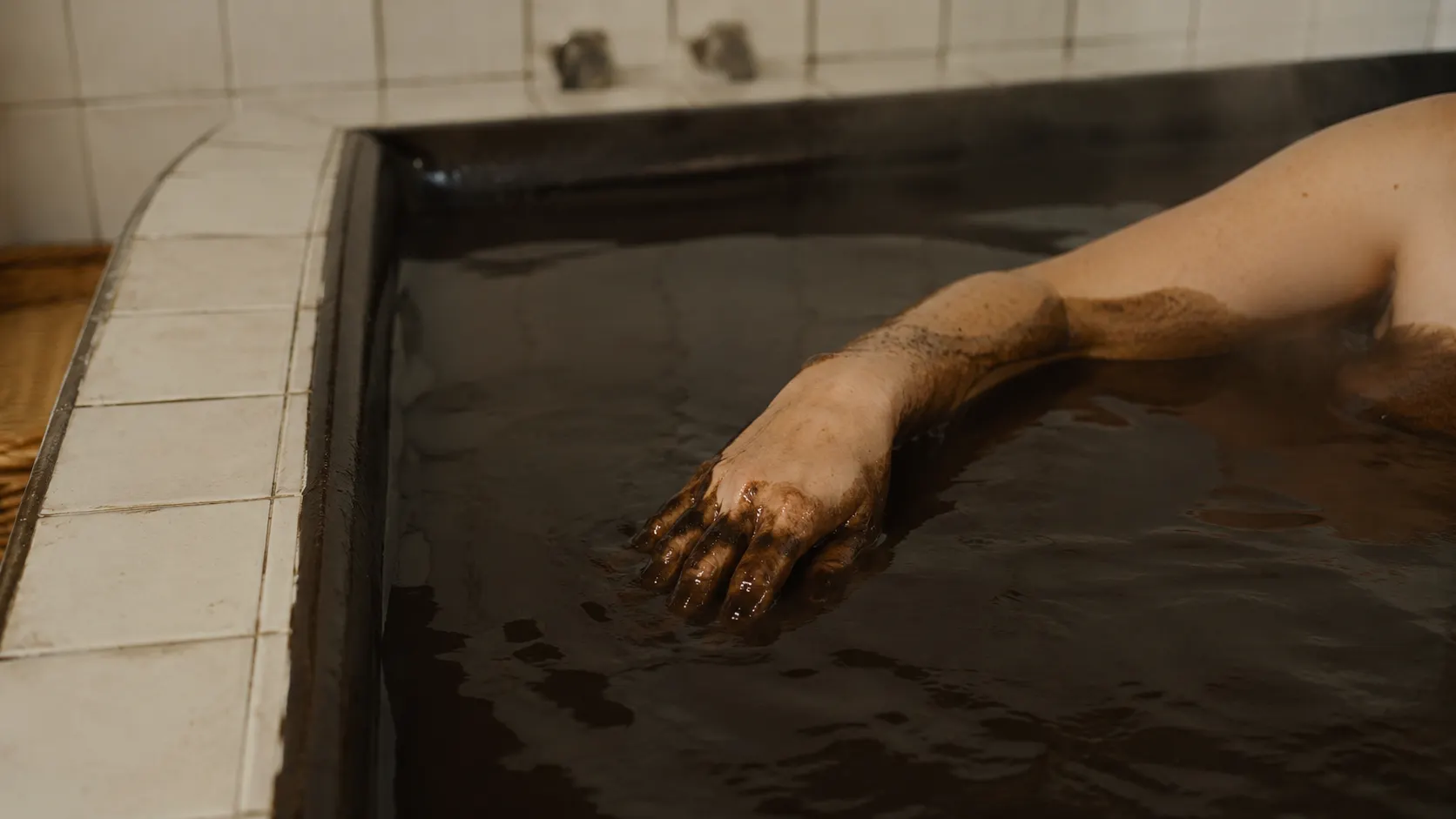
Peat balneotherapy is the immersion of the body (fully or partially) in heated peat preparations for therapeutic purposes. It is the oldest and most studied application of cosmetic and therapeutic peat, with a tradition spanning centuries in Central European spa medicine.

Method

Peat is mixed with water to create a suspension or thick paste, heated to 38–42°C, and applied in a bathtub or treatment bed. Treatment duration is typically 15–30 minutes, followed by a rest period. A standard course consists of 10–21 daily sessions. The high thermal retention of peat means it maintains temperature significantly longer than water baths, providing sustained heat delivery to tissues.

Dual Mechanism

Balneotherapy works through two simultaneous pathways: thermal (sustained heat increases blood flow, relaxes muscles, reduces pain perception) and chemical (humic and fulvic acids absorb through skin, exerting anti-inflammatory, antimicrobial, and chelating effects). This combination distinguishes peat baths from plain hot water baths — controlled studies show superior outcomes for peat baths vs. heated water alone.

Clinical Settings

Practiced primarily in spa clinics in Czech Republic (Třeboň, Františkovy Lázně), Germany (Bad Aibling), Hungary (Hévíz), and Estonia. Increasingly adopted in dermatology clinics for psoriasis and eczema management. Some home-use peat bath products exist but clinical supervision is recommended for therapeutic courses.

Claims

Helps With Psoriasis Moderate
Helps With Back Pain (Chronic Low Back Pain) Moderate
Sources: crevenna-2025
Helps With Eczema (Atopic Dermatitis) Preliminary
Sources: gams-2020
Helps With Muscle Pain and Tension Moderate

References

leibaschoff-2005 — Clinical outcomes of peat bath therapy for psoriasis
jazani-2022 — Systematic review confirming balneotherapy efficacy for psoriasis
crevenna-2025 — Systematic review — positive outcomes for back pain over past 5 years
karagulle-2007 — RCT — peloid therapy for knee osteoarthritis, significant WOMAC improvement
varzaityte-2019 — RCT — functional state improvements in knee OA patients
tefner-2013 — Double-blind RCT (n=53) — Neydharting mud packs, medication need decreased significantly only in mud group
bender-2013 — Meta-analysis — strong evidence for Hungarian balneotherapy in musculoskeletal conditions
keilani-2025 — Systematic review 2019–2025, 13 RCTs/QRCTs confirm balneotherapy efficacy for OA
nasermoaddeli-2005 — Comprehensive review — balneotherapy in rheumatology
gams-2020 — Review mentioning peloid use for eczema
beer-2000 — FA/ulmic acids act on α2-adrenergic and D2 dopamine receptors — smooth muscle relaxation
korhonen-2008 — Peat thermal retention: <1°C drop in 20 min vs 3.5°C for water