By Cosmetic Peat Editorial Team Updated June 2026
Peat Poultices
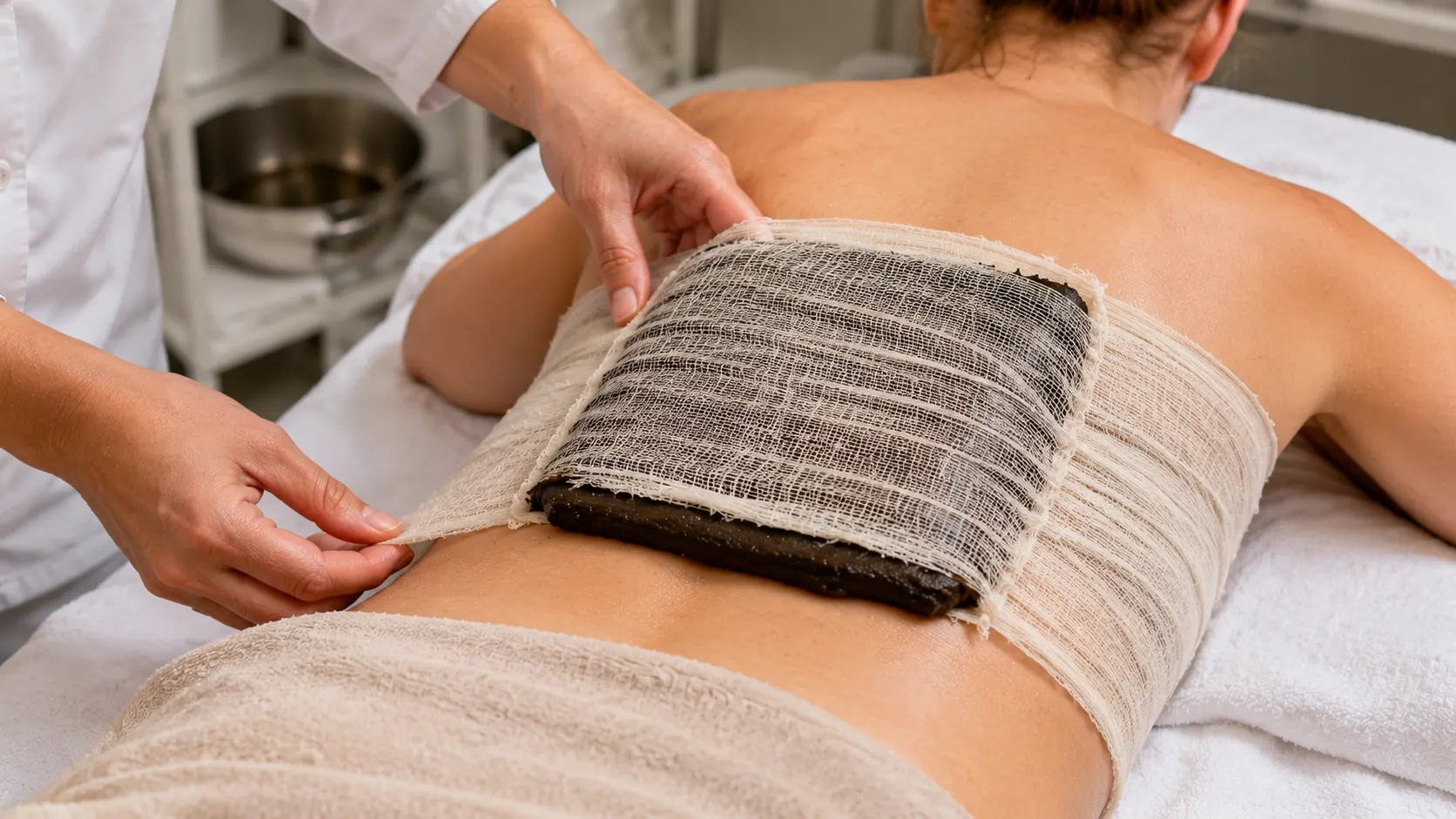
Peat poultices are localized applications of peat paste to specific body areas — joints, muscles, or skin lesions — held in place with cloth or film. They are one of the oldest forms of peat therapy, predating formalized balneotherapy.
Method
Warm poultice: peat paste heated to 38–45°C, applied in a 1–2 cm layer on cloth, placed on the treatment area, and secured with bandage or film. The thermal retention of peat maintains temperature for 30–60 minutes. Cold poultice: room-temperature or chilled peat applied for acute inflammation where heat is contraindicated.
Advantages
Highly targeted — can be applied precisely to affected joints, specific muscle groups, or skin areas. Requires minimal equipment and peat volume. Suitable for home use. Can be combined with other treatments (e.g., poultice after physical therapy session).
Traditional Context
Peat poultices have been used in European folk medicine for centuries for joint pain, sprains, bruises, and skin conditions. The tradition continues in spa medicine and is supported by the known thermal and anti-inflammatory properties of peat.