By Cosmetic Peat Editorial Team Updated June 2026
Peat Compresses
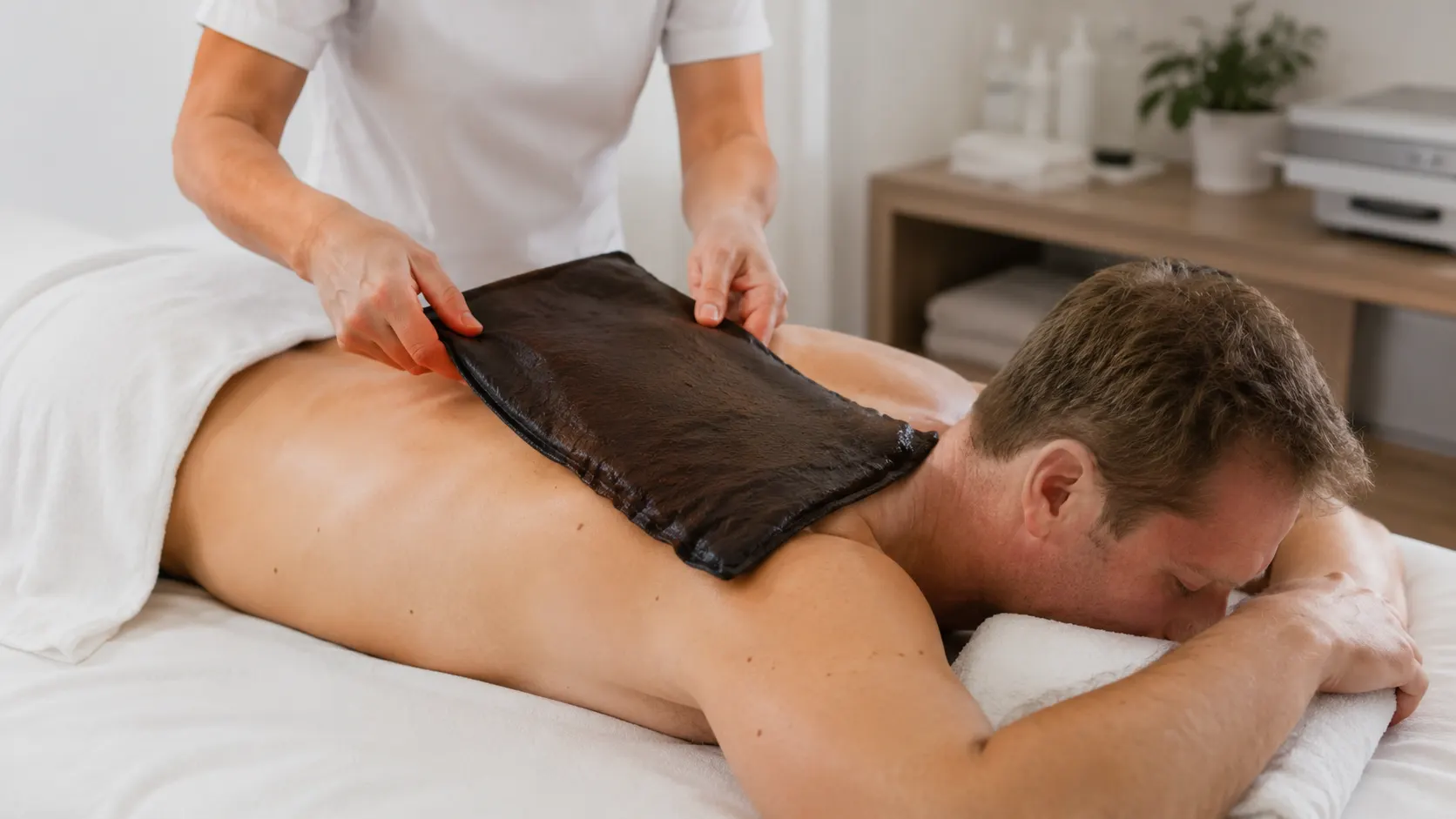
Peat compresses are cloth or gauze pads soaked in peat extract solution, applied to skin or scalp. They provide a gentler alternative to paste applications, suitable for sensitive or inflamed skin where direct paste contact may be too intense.
Method
Cloth is soaked in warm peat extract solution and applied to the treatment area for 15–30 minutes. Can be reapplied or refreshed during the session. Because only the soluble fraction of peat (primarily fulvic acids) transfers to the cloth, compresses deliver a narrower but highly bioavailable subset of peat’s active compounds — without the physical weight, heat mass, or occlusion of a full paste application.
Clinical Use Cases
Compresses are particularly useful where paste applications are impractical: facial skin in acute flare-up, scalp (applied through hair), skin folds, and post-inflammatory skin that is too sensitive for direct paste contact. In European spa medicine, compresses are commonly used in combination with balneotherapy — a bath for systemic effect, a targeted compress for a specific lesion or joint. They are also used as a step-down therapy when patients transition from clinical treatment to home maintenance.
Advantages Over Paste Applications
Gentler delivery with no risk of paste residue clogging pores on inflamed skin. No temperature management required. Easier to apply to awkward body areas. Suitable for patients with cardiovascular contraindications to heated baths who can still tolerate warm (not hot) local applications.